Lawns
When to scarify a lawn, and when to aerate it
Scarify and aerate in September or October, when the soil is still warm and moist and the grass can recover before winter, never in drought, frost or waterlogged ground. Most lawns need spiking every two or three years, not every year.
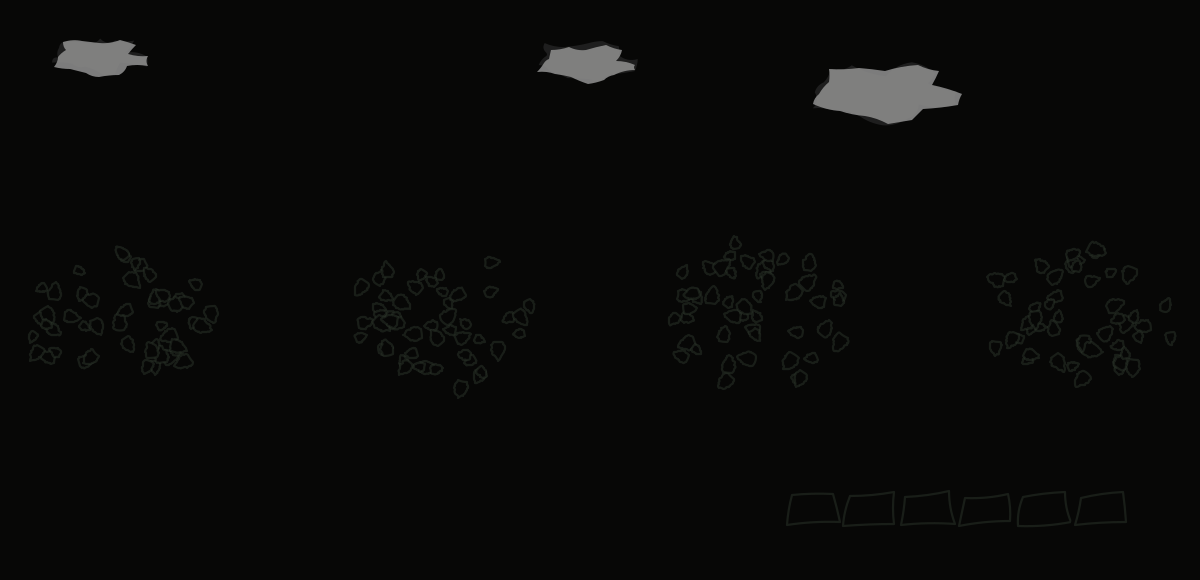
Two different jobs
Scarifying and aerating are often booked together and sometimes confused, but they fix different problems.
Scarifying drags blades or springy tines through the lawn to tear out thatch, the layer of dead grass, stems and moss that builds up at the base of the sward. A thin layer is harmless; a thick one holds water on the surface, starves the roots of air and gives moss a seedbed.
Aerating punches holes into the soil itself to relieve compaction. Solid tines, or a garden fork pushed in and rocked, open the ground and let air and water down. Hollow tines pull out cores of soil and do more good on heavy clay and waterlogged lawns, because they leave open channels that can be filled with sandy top dressing.
Autumn is the time for both
The Royal Horticultural Society puts autumn lawn renovation in September and October, starting early in September in Scotland and the north of England where the season ends sooner. The soil is warm from summer, rain is more reliable, weed growth is slowing and the grass has weeks of steady growth left to fill in the damage before winter.
The conditions on the day matter as much as the month. The RHS advice is to go ahead only when the soil is not waterlogged and the weather is not very wet, very dry or frosty. Scarifying in a dry spell rips out grass that has no moisture to recover with, and running a machine over saturated ground smears and compacts the soil it is meant to help.
A spring scarify is possible on a lightly thatched lawn, but the grass then has to recover heading into summer heat and dry spells, so the heavy work belongs in autumn.
The order of work
A full autumn renovation runs in a set sequence, and each step prepares the lawn for the next.
| Step | What happens |
|---|---|
| 1. Deal with moss | On a mossy lawn, moss is killed or raked first so the scarifier is not spreading live fragments |
| 2. Scarify | Rake or machine in one direction, then across it; clear the debris |
| 3. Aerate | Solid tines 10 to 15cm apart and as deep as they will go, or hollow tines on clay; sweep up any cores |
| 4. Top dress | Work 2 to 3kg a square metre of sandy dressing into the holes and low spots |
| 5. Overseed | Sow into the scratched surface and dressing, where seed meets soil |
| 6. Feed | An autumn feed high in potassium and phosphorus, applied before rain |
The RHS top dressing recipe is three parts sandy loam, six parts sharp sand and one part compost, spread at roughly a shovelful per square metre. Leftover summer feed is the wrong product for step six: its nitrogen pushes soft growth that disease attacks over winter.
How often each job is needed
None of this needs doing every year on every lawn. The RHS guidance is that solid tine spiking every two to three years is enough for most lawns, and hollow tining every three to four years on clay or ground that waterlogs. Scarifying is needed when thatch builds up or moss moves in; pushing a finger into the base of the grass and finding a spongy brown layer more than a centimetre or so deep is the signal.
A lawn that drains well, is mown at a sensible height and is fed twice a year may go several seasons between scarifying sessions.
What it looks like afterwards
A properly scarified lawn looks rough for a fortnight or more: thin, scratched, patchy and very brown in places, and the amount of material that comes out of an average lawn usually fills several garden waste bins. That is the job working. The grass recovers within weeks in mild autumn weather, and overseeded patches are usually green before the first frosts.
Doing it yourself or booking it
A spring tined rake and a garden fork are enough for a small lawn and a free afternoon. Powered scarifiers can be hired by the day. Professional prices run £55 to £95 to scarify a lawn of about 100 square metres and £135 to £175 for 300 square metres. Solid tine spiking of 200 square metres costs £40 to £60, hollow tine coring of the same area £145 to £190, and overseeding afterwards £25 to £160 depending on how much seed and dressing goes down. Lawn firms fill their autumn diaries early, so booking in August is usual.
Common questions
Should I scarify or aerate first?
Scarify first, then aerate. Clearing the thatch lets the tines reach the soil, and the holes are then ready to take top dressing and seed.
Can a lawn be scarified in summer?
Not usefully. In hot, dry weather the grass has no moisture to recover with, and the damage stays brown until autumn rain. September and October are the RHS months.
How long after scarifying can I mow?
Once the grass and any new seed have grown a few centimetres, usually two to three weeks in mild autumn weather, with the blades set high for the first cut.
Does every lawn need hollow tining?
No. It is the treatment for heavy clay and compacted or waterlogged lawns, and even there every three to four years is enough. Most lawns do well with solid tine spiking.